
Home & Everyday Living
Guides touching on furniture choices, home decor, and small decisions around running a household.
Articles offering tips on health, fashion, travel, home decor, and personal well-being, contributed by writers across the Article STEM directory.
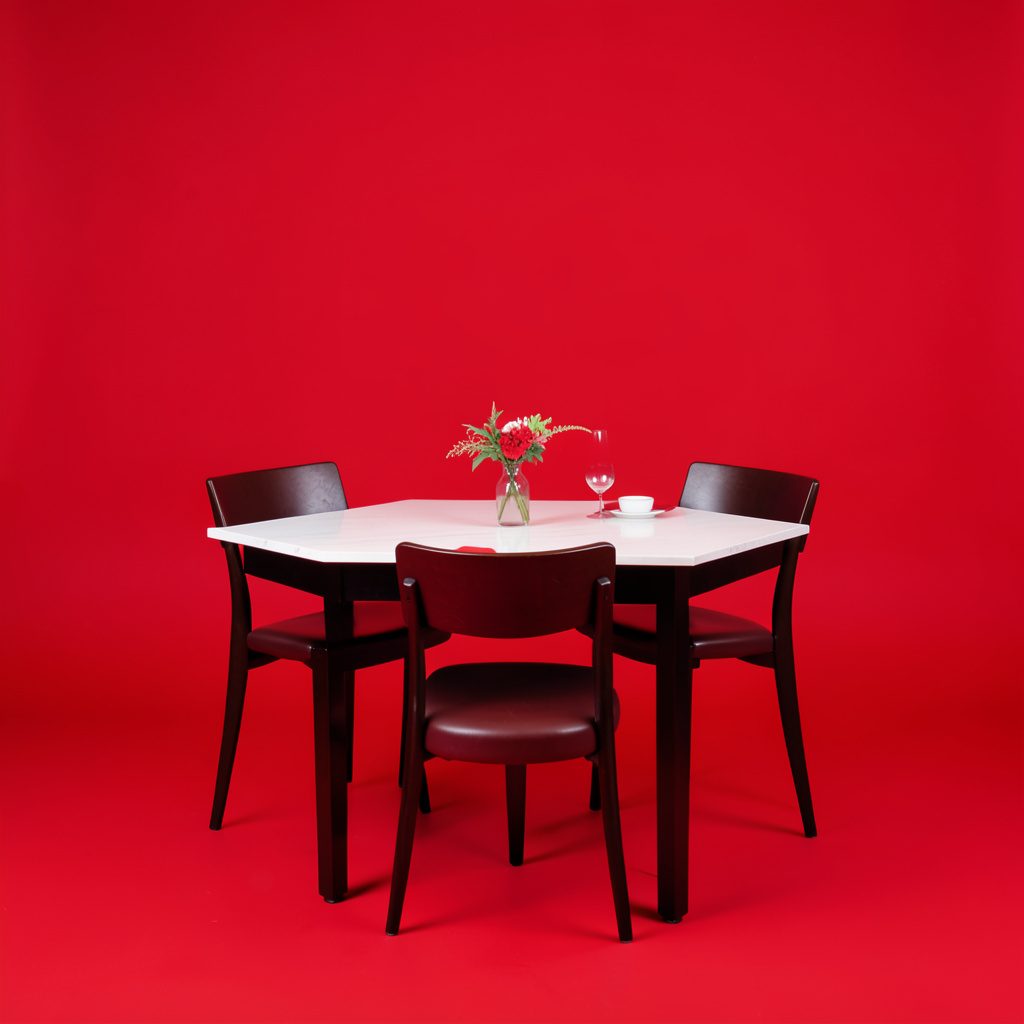
This category gathers contributor pieces on health, fashion, travel, home decor, and automobiles — practical reading for everyday decisions rather than formal guidance.
Guides touching on furniture choices, home decor, and small decisions around running a household.

Pieces on fashion topics and personal presentation aimed at general readers.

Travel-related notes and automobile topics, including entries on choosing auto parts.
Contributors have written on subjects ranging from pet health — such as a piece on happy tail syndrome — to lighter reads on entertainment and leisure. One article, "Easy Ways To Entertain Yourself" by David Charlie, was last modified June 1, 2020, and sits alongside pieces like "5 Things To Consider Before Buying Furniture For Your Office Space" that blend lifestyle and practical home advice.
Other entries explore life lessons drawn from unrelated fields, including a November 29, 2018 piece on lessons from Senna's journey, showing the breadth of general-interest writing filed under this category.
For business and finance coverage, visit the Business section, or see what readers are viewing most on the Trending page.
The intersection of science and daily wellness offers fascinating insights for those looking to improve their quality of life. Small adjustments to sleep routines, nutrition choices, and physical activity can produce meaningful changes in how we feel and function. While many wellness trends come and go, understanding the basic principles of how our bodies respond to rest, movement, and food helps cut through the noise. Habits built on consistent, modest efforts tend to outperform dramatic short-term changes. By approaching personal health with curiosity rather than pressure, individuals can develop sustainable routines that support both mental clarity and physical vitality over the long term.
Exploring new destinations becomes richer when travelers bring a bit of scientific curiosity along for the journey. Understanding the geography, climate patterns, and ecosystems of a place can transform a simple trip into a more engaging experience. Travelers who take time to learn about the natural forces shaping landscapes or the cultural innovations behind local architecture often find greater appreciation for what they see. Packing wisely and planning around seasonal conditions also makes travel smoother and more enjoyable. A thoughtful approach to travel blends practical preparation with openness to discovery, making each destination feel meaningful and memorable.
Personal style extends beyond clothing choices into a form of creative expression that reflects individual personality and values. The materials we choose, the colors we gravitate toward, and the way we put together outfits all communicate something about who we are. Advances in textile technology have introduced fabrics that are more breathable, durable, and comfortable than ever before, making it easier to dress well without sacrificing practicality. Building a versatile wardrobe around a few quality staples often proves more satisfying than chasing each new trend. Thoughtful fashion choices balance aesthetics with function, creating a personal look that feels authentic and enduring.
Creating a comfortable home environment involves more than just selecting attractive furniture and decor. The arrangement of spaces, the quality of lighting, and the choice of materials all affect how a room feels and functions. Principles drawn from engineering and design can help homeowners make practical decisions about layout, storage, and organization. Small changes such as improving air circulation, reducing clutter, or choosing calming color schemes can significantly impact daily comfort. A well-planned living space supports relaxation, productivity, and social connection, turning a house into a place that genuinely serves the needs of those who inhabit it.
The relationship between technology and everyday life continues to evolve, shaping how we manage our routines, communicate with others, and take care of our well-being. Smart devices can help track sleep patterns, monitor physical activity, and even remind us to take breaks during long periods of screen time. Yet the most effective use of technology in daily life involves intentional boundaries that prevent digital tools from overwhelming personal time. Balancing screen use with offline activities, face-to-face connection, and time spent in nature supports a healthier lifestyle. Technology works best when it serves human needs rather than dictating them.